Aortic Dissection
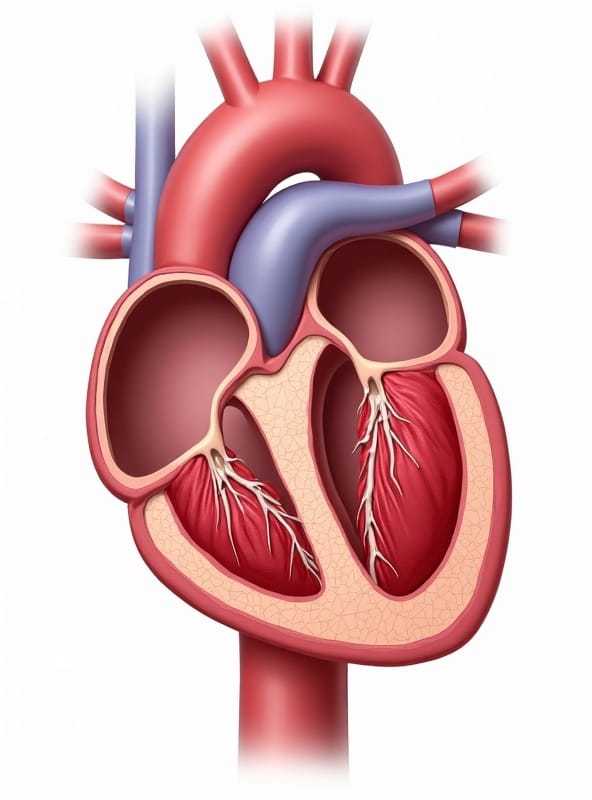
Aortic dissection is a serious condition where the inner wall of the aorta tears. This can lead to dangerous complications and requires immediate medical attention. Timely diagnosis is vital.
Emergency Situation
Mechanism
How does aortic dissection occur?
The aortic wall consists of 3 thin layers that are connected to each other, forming the tubular structure of the vessel. In the event that the inner layer (which is in contact with the blood) "tears," blood enters between the layers, separating them from the middle layer and occupying space from the lumen of the vessel where the blood circulates. This is called dissection and it can extend to various lengths.
Further peripherally and into the branches
Reduced Blood Supply
Rapid progression of the dissection into an aneurysm due to loss of the aortic wall's integrity.
Rapid progression
Clinical Presentation
Symptoms of Aortic Dissection
Further peripherally and into the branches
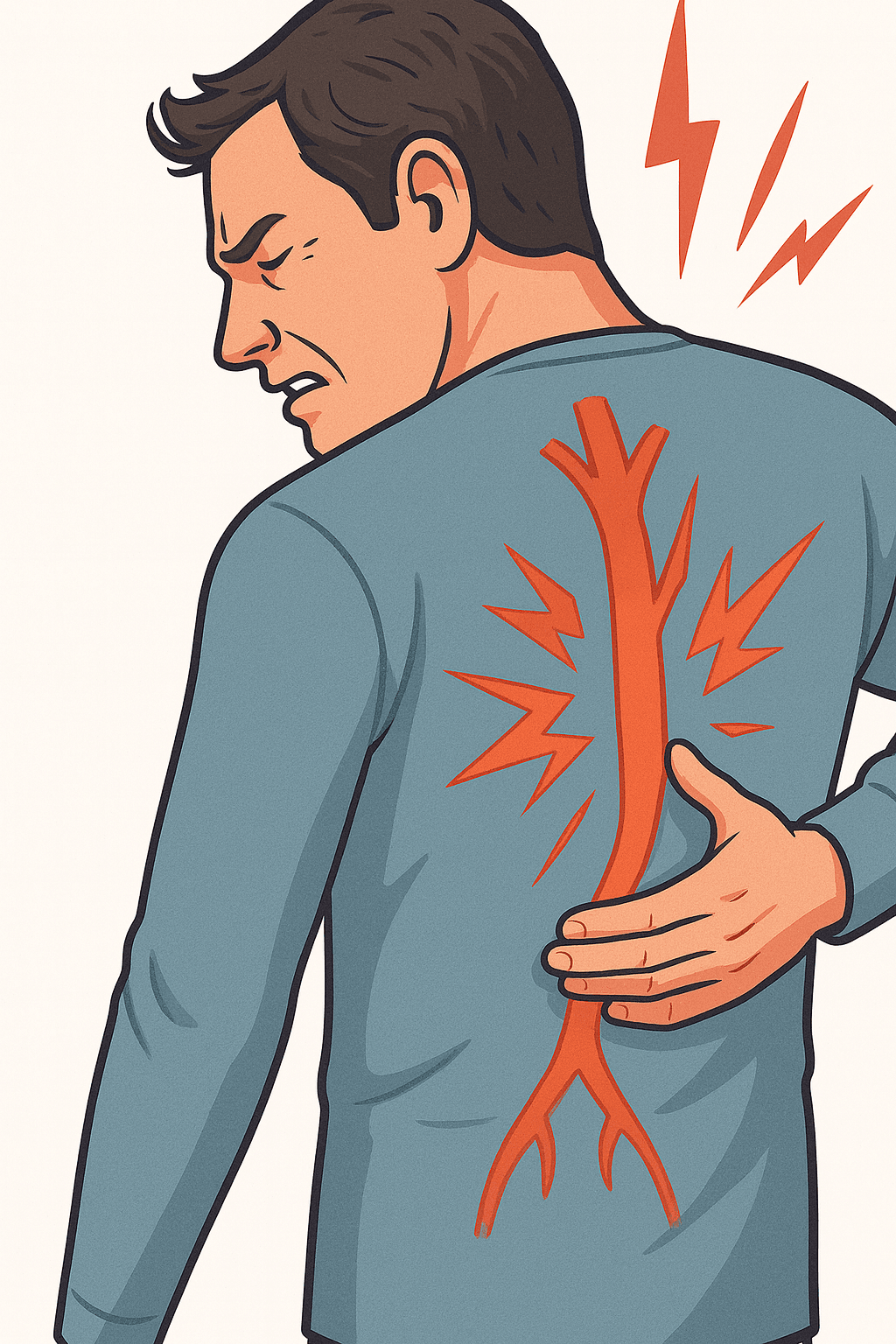
Sudden, Sharp Stabbing Back Pain
The predominant symptom of aortic dissection is sudden lancinating back pain in a patient already suffering from arterial hypertension, while it is not rare for the disease to first appear in relatively young patients who suffer from arterial hypertension without knowing it.
Aortic dissection requires immediate medical evaluation and treatment. Do not ignore sudden and intense pain in the back or chest.
Emergency Situation
Classification
Types of Aortic Dissection
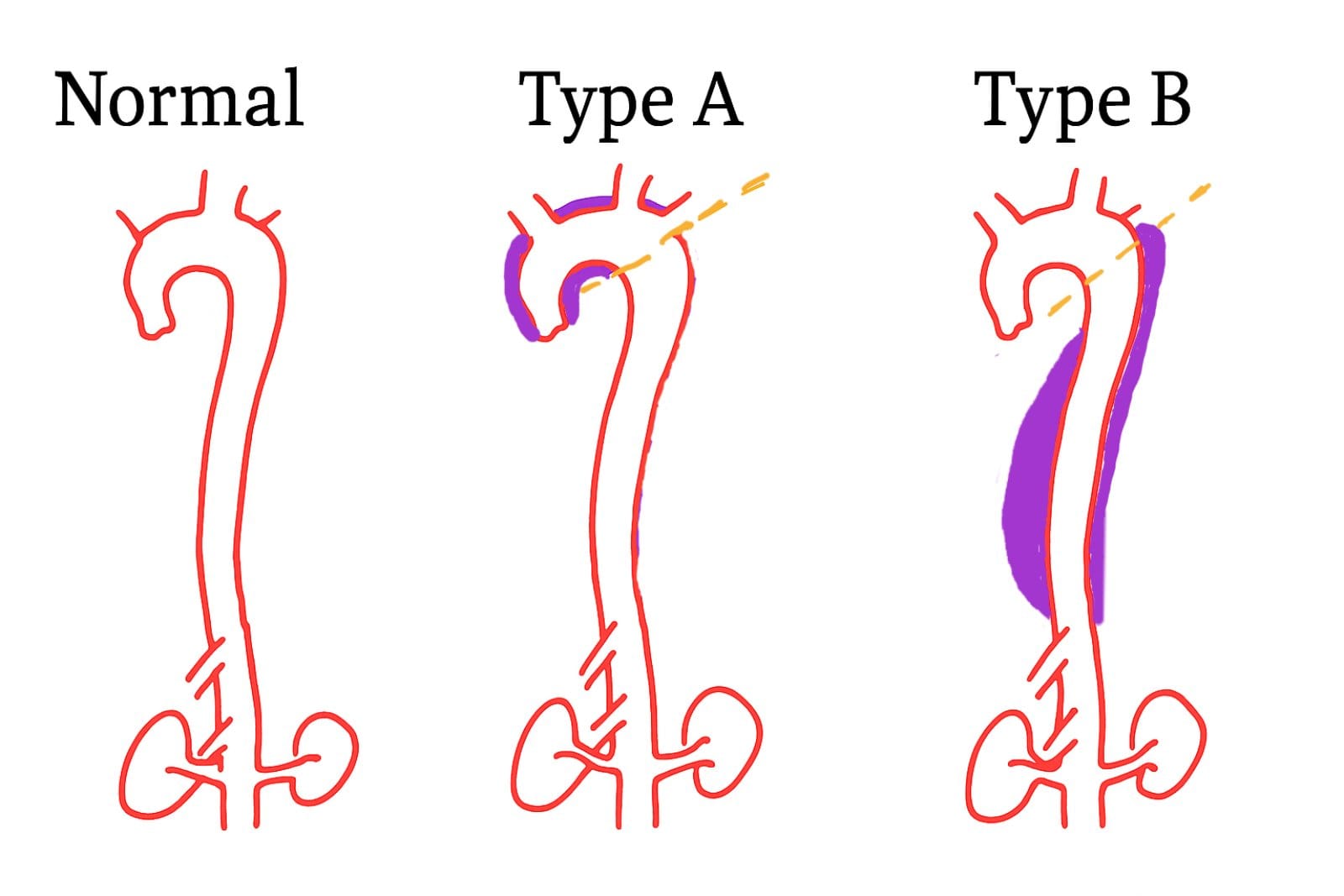
There are two main types of aortic dissection: Type A and Type B. Type A dissection involves the ascending aorta, which is the segment of the aorta that originates from the heart. Type B dissection involves the descending aorta, which is the segment of the aorta that descends from the heart.

Type A dissection involves the ascending aorta, the segment that originates from the heart.
Type A
Ascending Aorta
Note:
It usually requires emergency surgery.
Type B dissection involves the descending aorta, the segment that descends from the heart.
Type B
Descending Aorta
Note:
Can be treated with medication
or endovascular techniques
Therapeutic Approach
Diagnosis
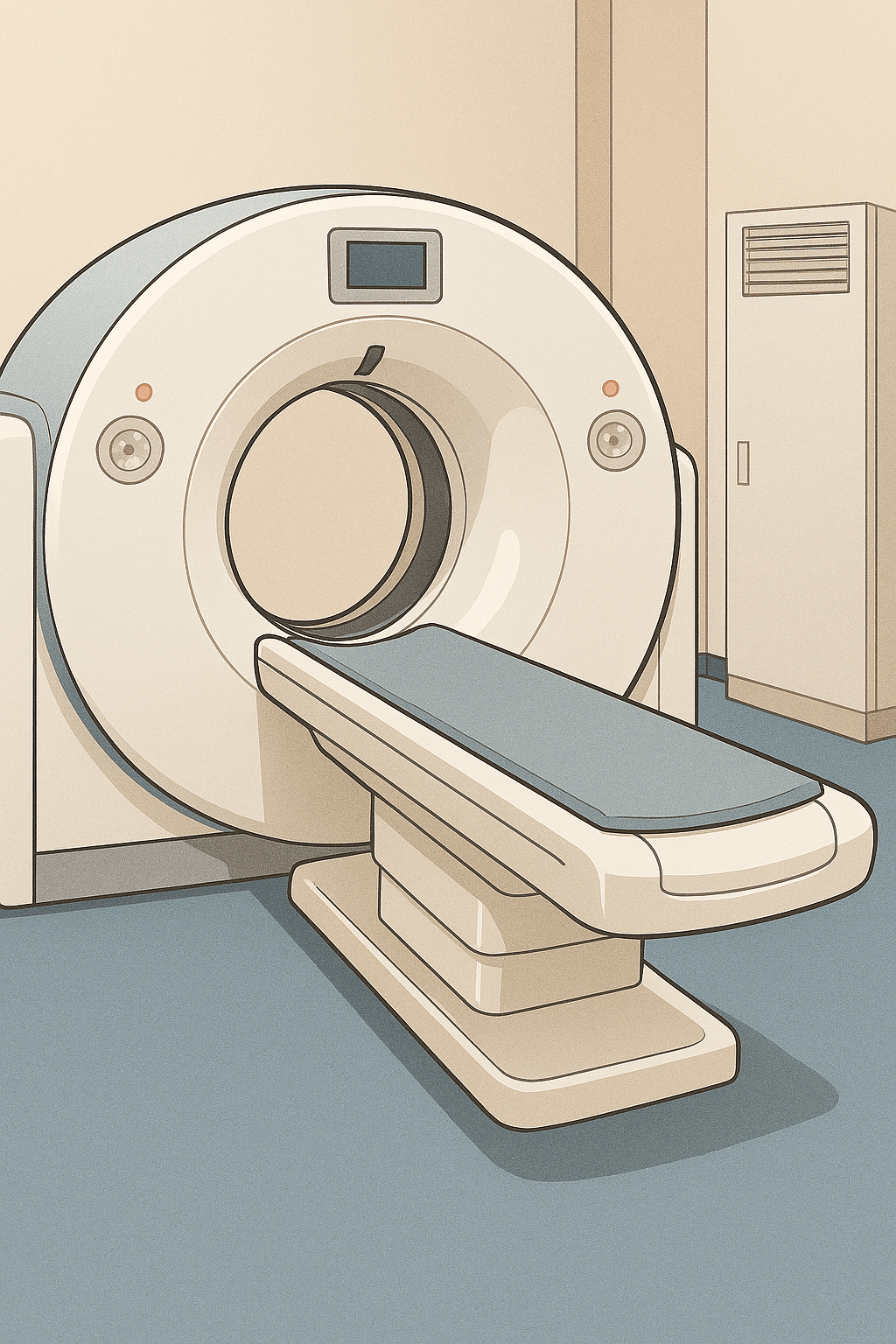
The diagnosis of aortic dissection is made using Computed Tomography Angiography (CTA) of the thoracic and abdominal aorta, in order to identify the origin and the extent of the dissection, as well as the involvement of its branches (Ischemia-Thrombosis).
Modern Management
Timely and accurate diagnosis, combined with the availability of newer endovascular techniques and endografts, allows us to rapidly limit ischemic complications, prevent aneurysmal degeneration, and treat the dissecting aneurysm when it occurs.
-
Limiting Ischemic Complications
Rapid treatment for organ protection -
Prevention of Aneurysmal Degeneration
Prevention of further complications -
Endovascular Techniques
Modern endografts and minimally invasive methods