Atherosclerotic Disease

Atherosclerotic Plaque & Arterial Disease

Understanding Atherosclerotic Plaque and its Impact on Leg Arteries

Atherosclerotic Plaque & Arterial Disease

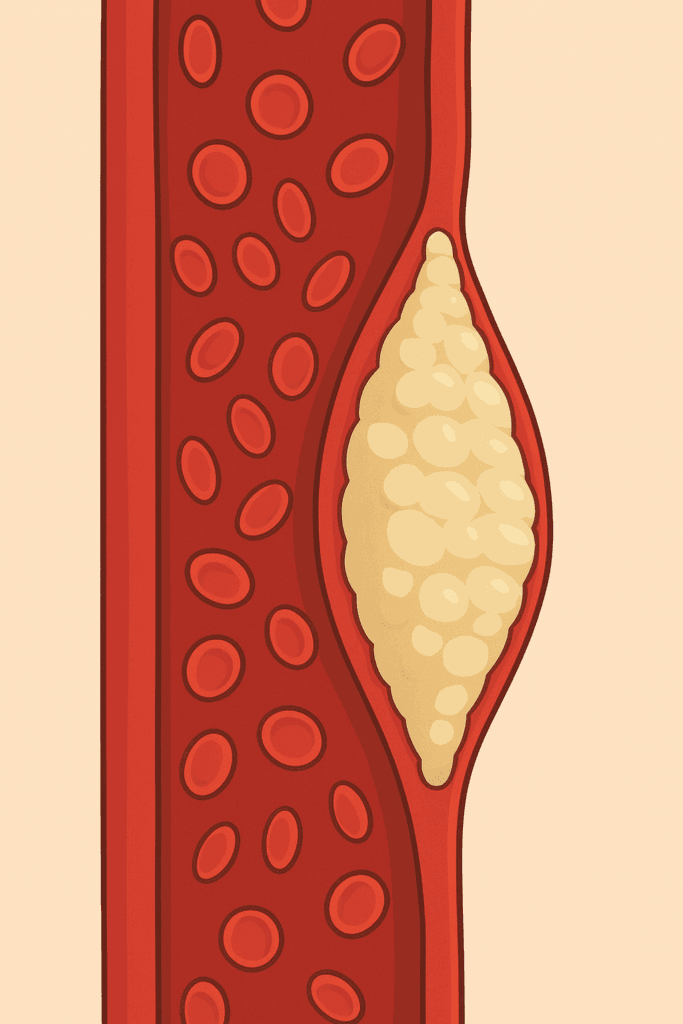
The formation of atherosclerotic plaque (cholesterol + reactive cells) occurs on the inner wall of the arteries, gradually causing their narrowing (stenosis) and, eventually, their total blockage (occlusion). When this occurs in the arteries that carry blood to the lower extremities, it can create narrowings of varying degrees and chronicity.

Danger factor

Hypertension

Main factor

Smoking

Metabolic Disease

Diabetes

Risk Factor

Lack of Exercise

Types of Ischemia

How Extent, Stenosis, and Chronicity Affect Atherosclerotic Plaque

The occlusion develops abruptly without the arterial network being prepared through the presence of collateral pathways.

Acute Ischemia

Result: Sudden pain, rapid loss of sensation and movement, and ultimately, irreversible limb damage beyond 6 hours (amputation).

The blockage develops slowly over time, allowing the arterial network to adapt by forming "collateral pathways"—small, natural bypass vessels that help maintain blood flow.

Intermittent Claudication

Presentation: Presentation: blood increases, such as during walking. The distance you can walk gradually decreases, forcing you to limp (claudicate) and stop for frequent breaks until the pain subsides and you can continue.

These are neglected cases of gradual limb ischemia where the collateral network is insufficient, and the foot remains painful even at rest.

Critical Limb Ischemia – Gangrene

Characteristics: Patients often need to let their leg hang down from the bed to relieve symptoms while sleeping. Over time, wounds and trophic skin changes (gangrene) may develop, which in severe cases can lead to amputation.

Diabetic Foot Care

Diabetic Foot

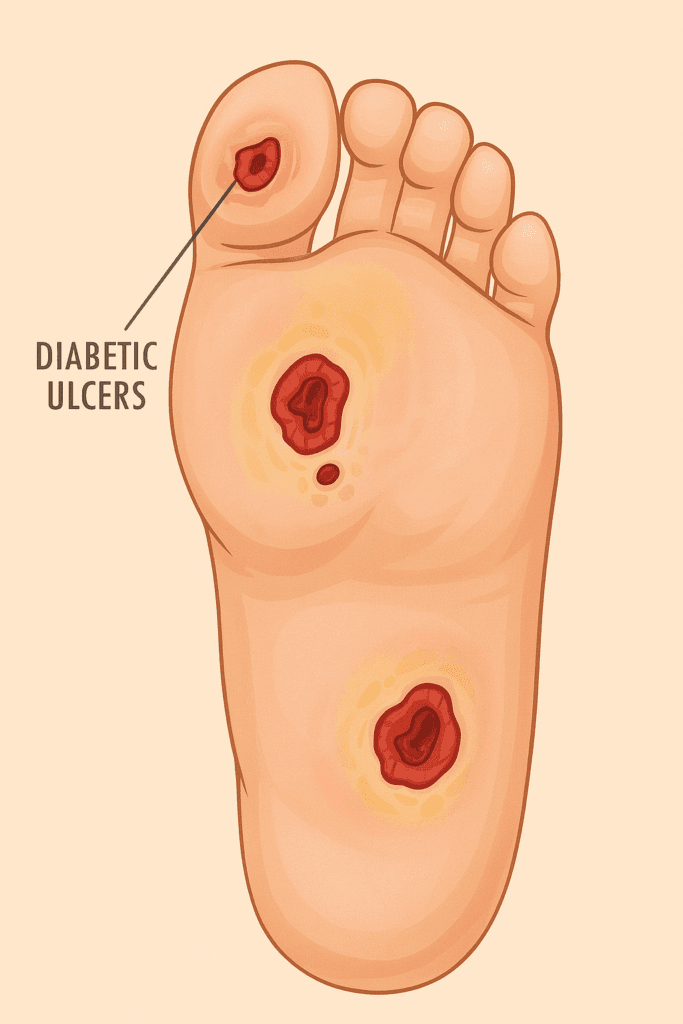
Diabetes mellitus is a metabolic disease in which the body’s ability to process glucose effectively is impaired. From the early stages of the disease, the function of the nerves that carry pain signals to the brain can be affected, which is why people with diabetes may not feel pain in their feet.

In later stages, the disease can affect the smaller arteries below the knee and lead to ischemia (reduced blood flow). The absence of pain — which normally acts as the body’s warning signal — combined with poor circulation can result in neglected, irreversible ischemic and inflammatory conditions, accompanied by an increased risk of amputation.

People with diabetes should carefully inspect their feet every day, including between the toes.

Daily self-check

Consult a vascular surgeon as soon as any type of foot wound appears.

Seek Immediate Medical Care

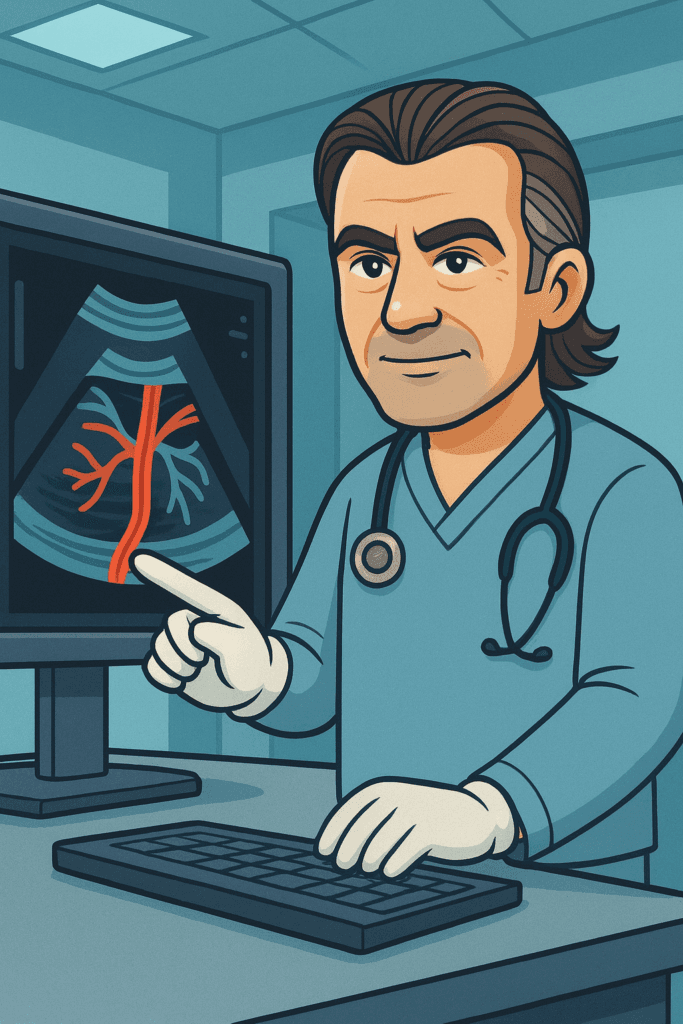
Before any scheduled procedure on the lower limbs, a vascular surgeon’s evaluation is strongly recommended to confirm adequate blood circulation.

Preoperative Consultation

Treatment Options

Atherosclerotic Plaque Treatment

Treatment is determined based on the symptoms it causes. When an intervention is required, a preoperative angiography is necessary to plan the appropriate treatment strategy.

Minimally Invasive Endovascular Treatments

Conventional Surgery

Preoperative Assessment

Each case is evaluated individually based on preoperative imaging findings, the clinical picture, and the patient’s overall health.